






Synopsis
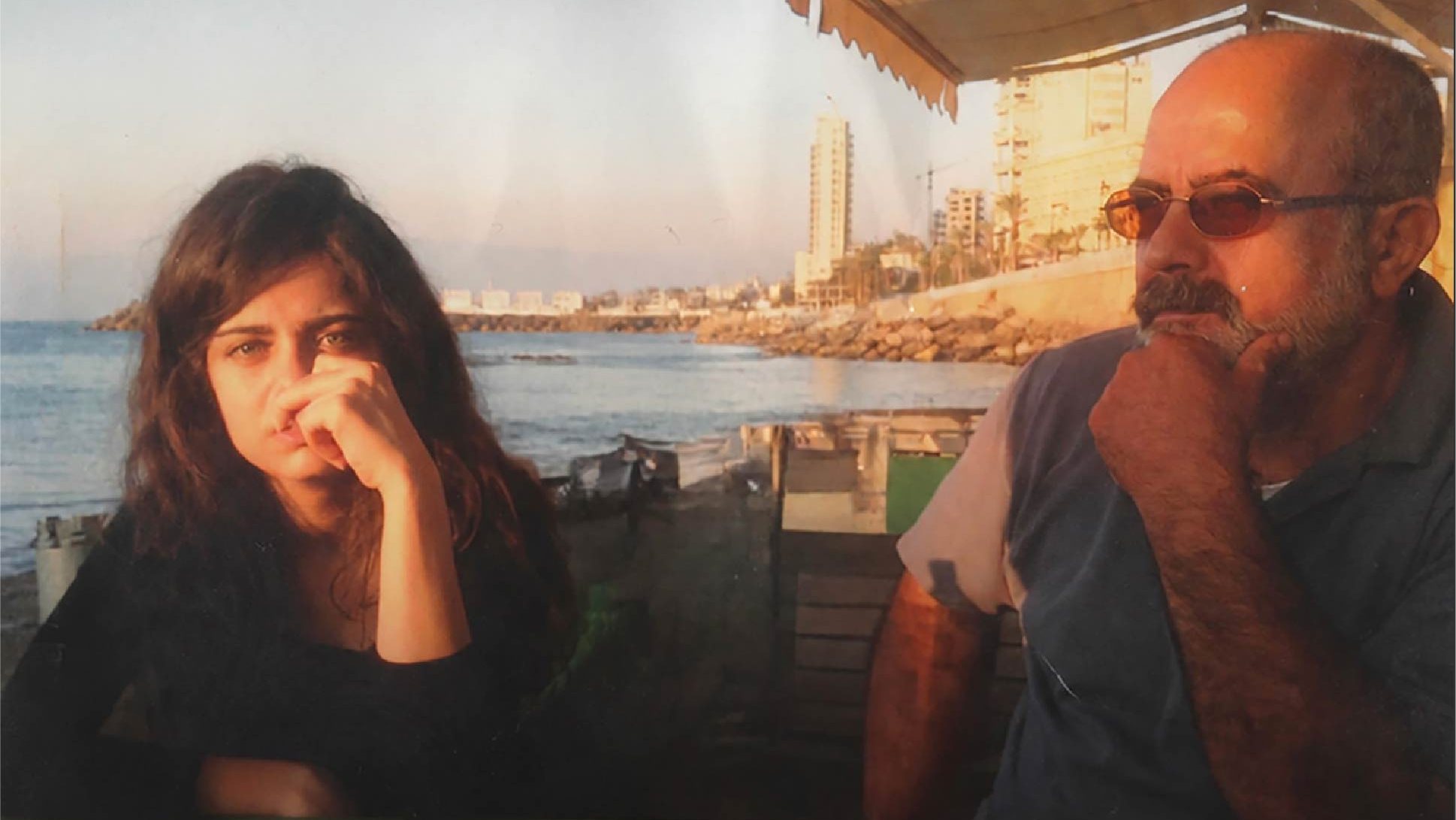
Wafa Mustafa has spent years searching for her father.
Wafa Mustafa has spent years searching for her father, who was forcibly disappeared in Syria in 2013. Exiled in Berlin, she keeps his memory alive through activism, storytelling, and unwavering hope. When Bashar Al-Assad’s rule collapses, a rare window opens: an opportunity to finally uncover the truth about her father’s fate.
The award-winning short documentary follows Wafa as she retraces the last known steps of her father, navigating a landscape still scarred by war and oppression. As she moves between prisons, morgues, and silent corridors of power, Wafa confronts the painful realities of post-war Syria, where thousands of families are still searching for their missing loved ones. Through her journey, she joins a generation determined to preserve the narrative, pressure for real change and demand justice.
Filmmakers
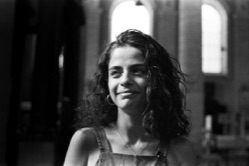
Wafa Mustafa
Wafa Mustafa is a Syrian activist and the advocacy and communications manager at The Syria Campaign. After her father was forcibly disappeared by the Assad regime in 2013, she fled Syria to Türkiye before completing her studies at Bard College Berlin.
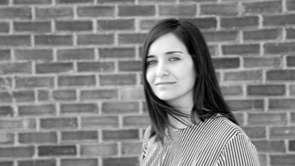
Waad al-Kateab
Waad al-Kateab is a Syrian filmmaker, journalist, activist and co-founder of Action For Sama. Her films include the Academy Award-nominated and BAFTA-winning For Sama, We Dare to Dream, Death Without Mercy and new short documentary Maybe Tomorrow, co-directed with Wafa Mustafa.
Screenings
Find out where you can catch Maybe Tomorrow around the world as the film continues its festival journey.
More screenings soon.